JPMorgan Says Beware The Ides of January
Silver has been on a tear this year, up over 140% Year to date while Gold has been up approximately half that. The most recent leg higher has happened after the metal had successfully weathered two market-specific crises this year, April’s Liberation Day Tariffs and the LBMA short squeeze (both pictured below) Yet Silver is still significantly above the peaks of those two seemingly resolved events Why?
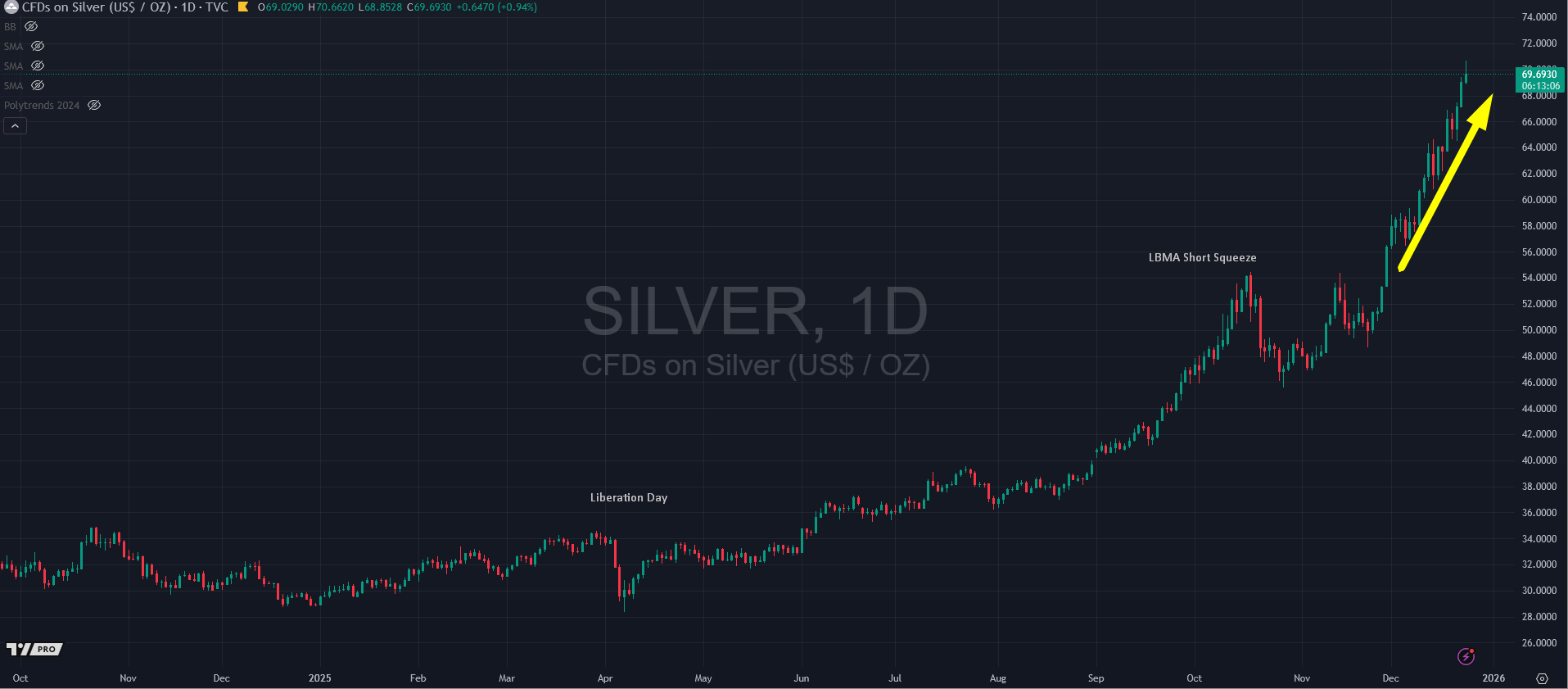
Silver is likely rising for reasons the market is not admitting. Behind refinery bottlenecks, quiet accumulation, and an overlooked policy deadline, a different framework may be forming. This piece examines why apparent abundance can coexist with higher prices, and why January 2026 matters more than it looks.
TL;DR — Key Takeaways
- Rising silver prices conflict with reports of domestic abundance, suggesting metal may be quietly reserved or hoarded rather than freely available to the market.
- JPMorgan’s sustained physical activity and coverage of Section 232 are treated as signal, implying positioning ahead of potential policy or regulatory shifts.
- Section 232 creates a mid-January 2026 policy window where silver could be designated tariffed, incentivizing accumulation before any tariff action.
- The broader context points to a mercantilist framework: accumulate first, restrict access later, resulting in (kind of orderly, policy-managed upside.
The Hypothesis of U.S.-Level Silver Buying
Despite widespread and verified claims of ample silver availability within the United States, current market behavior diverges from historical patterns typically associated with oversupply. Silver prices continue to advance even as participants report access to raw material, none of which is coming from London. This inconsistency points toward a different explanation: silver entering the U.S. market is increasingly spoken for at the institutional or national level, even if it has not yet been refined into final, deliverable form.
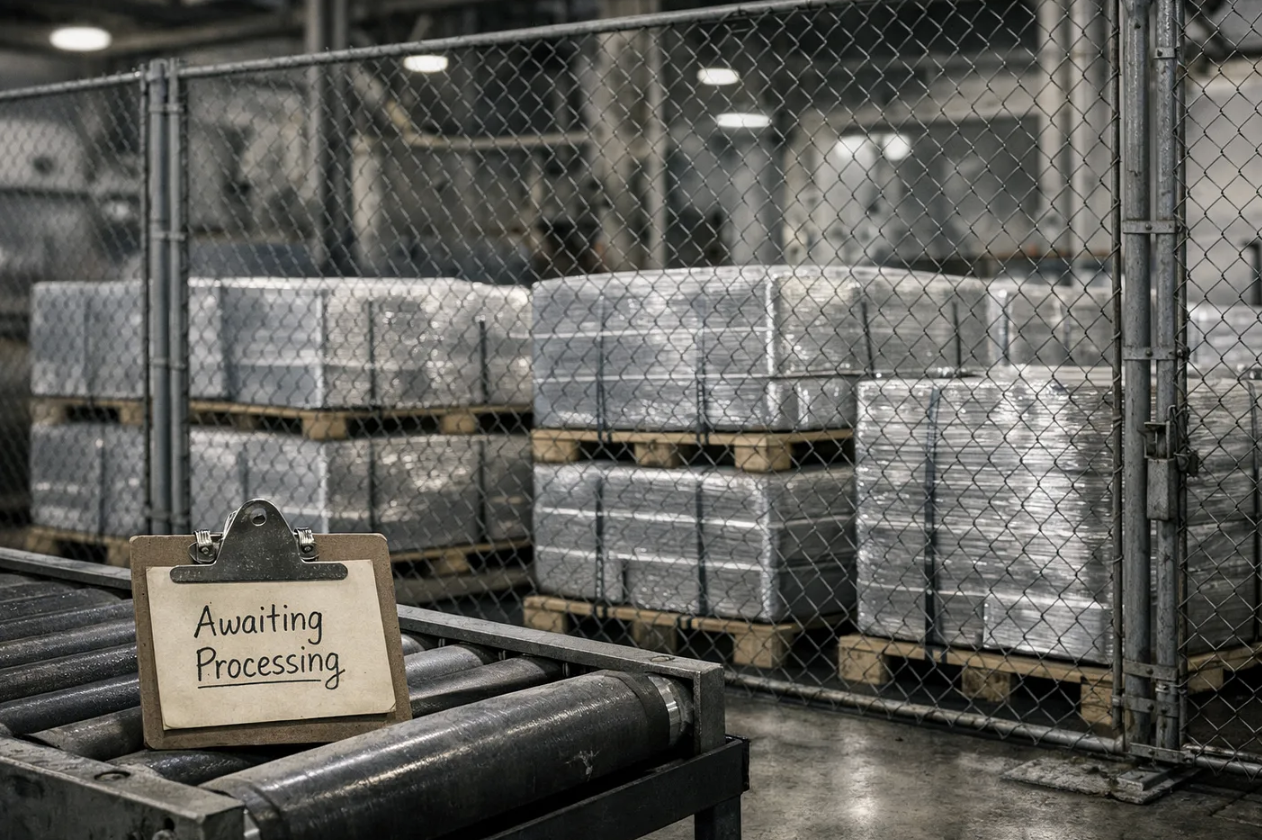
Refining bottlenecks appear to be obscuring this dynamic. The issue is not the absence of metal, but the inability to process it into usable formats quickly enough. As a result, silver may be effectively reserved, awaiting refinement, regulatory clarity, or strategic deployment, rather than circulating freely through the market.
JPMorgan as a Key Intermediary
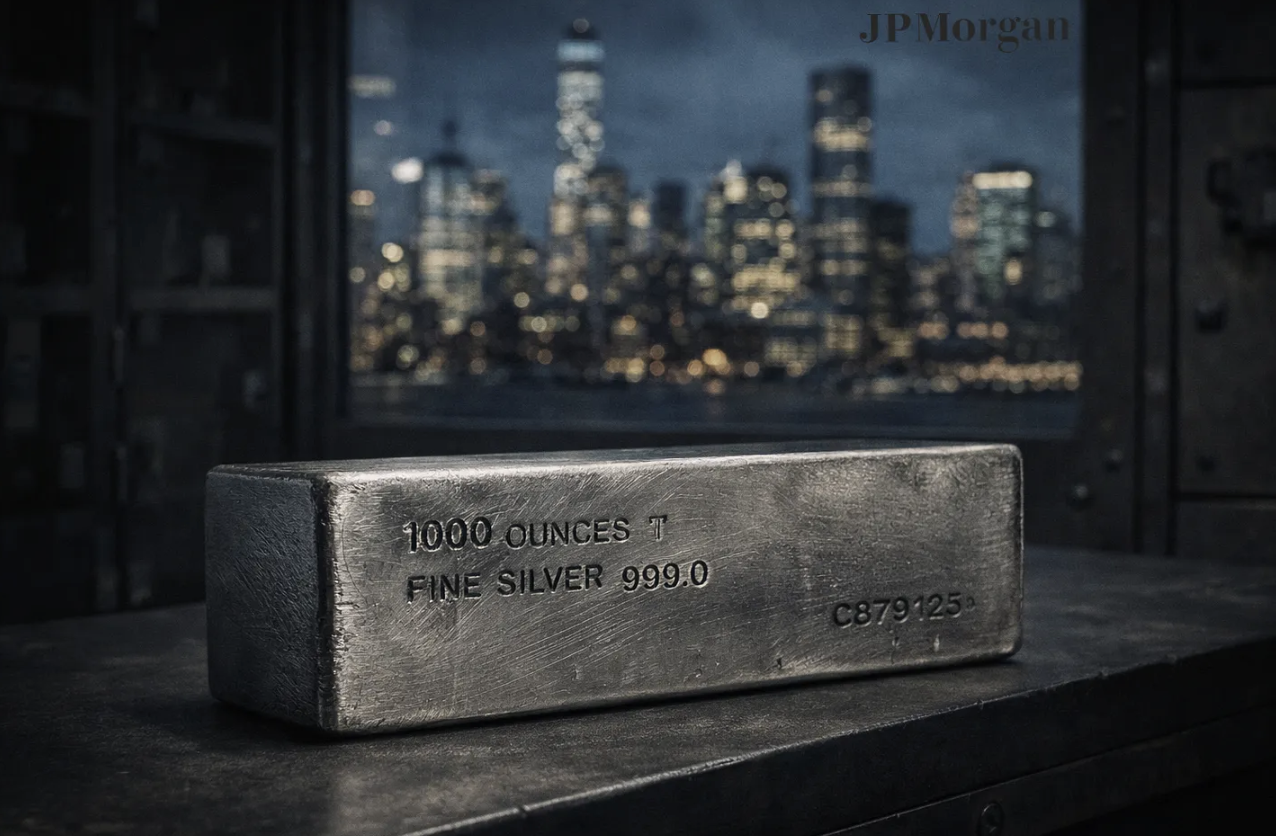
JPMorgan sits at the center of the global silver ecosystem. Its role as custodian, intermediary, and counterparty across physical markets, derivatives, and sovereign channels places it at the intersection of nearly all meaningful silver flows. Activity associated with JPMorgan therefore carries informational value.
The bank does not withdraw physical metal from circulation without intent. Accumulation at this scale suggests deliberate positioning rather than opportunistic trading. Possible explanations include acting on behalf of sovereign or industrial clients, positioning inventory ahead of regulatory or policy shifts, or preparing for changes in market structure. Regardless of the specific motivation, the behavior indicates purpose rather than coincidence.
Section 232 and the Critical Minerals Review
Section 232 of U.S. trade law governs the imposition of tariffs on materials deemed relevant to national security. While the framework applies broadly across commodities, silver has received comparatively little public attention within this context.
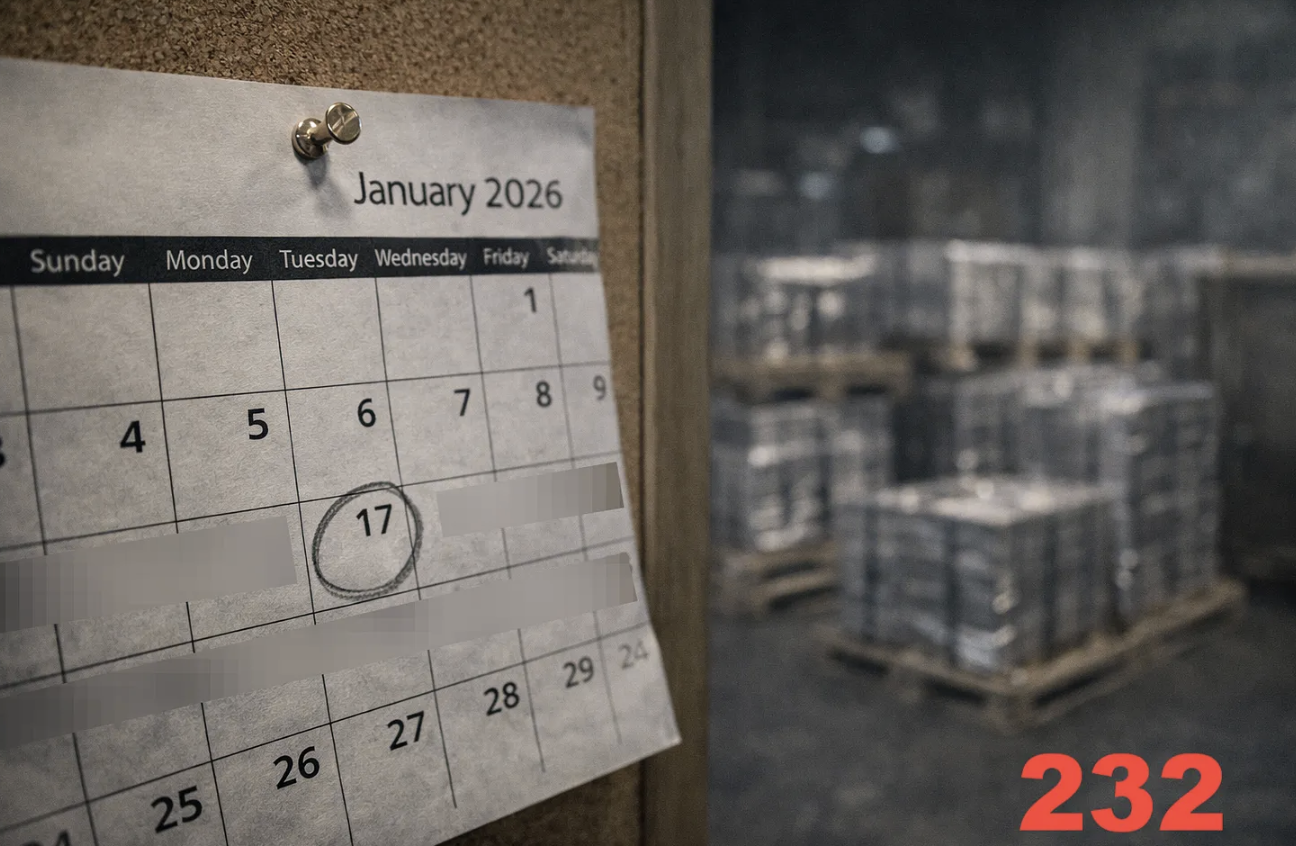
Notably, Section 232 considerations continue to surface in institutional commentary on silver, suggesting it remains an active variable. The statutory timeline places the delivery of a Commerce Department report to the President in mid-January 2026. This date matters less as a point of decision than as a policy window that shapes incentives in advance. As JPMorgan noted on December 12th:
“It has been nearly two months since the accelerated 180-day deadline for Section 232 critical minerals (initiated on April 22, 2025, implying October 19). Nonetheless, the standard deadline for the Secretary of Commerce to deliver a Section 232 report to the President is 270 days after initiation, which is January 17, 2026 for critical minerals.“
The mechanism is binary. Players also love buy the rumor; sell the news trades. Silver is either designated strategically tariffed , or it is not. Even the possibility of such designation encourages inventory accumulation ahead of any formal ruling, particularly among actors with early visibility into policy processes.
Mercantilist Logic and the Copper Tariff Sequence
Potential tariff policy follows a mercantilist logic. Nations do not tariff materials they lack. Instead, they first secure domestic supply and processing capacity, then raise barriers once internal needs are satisfied.
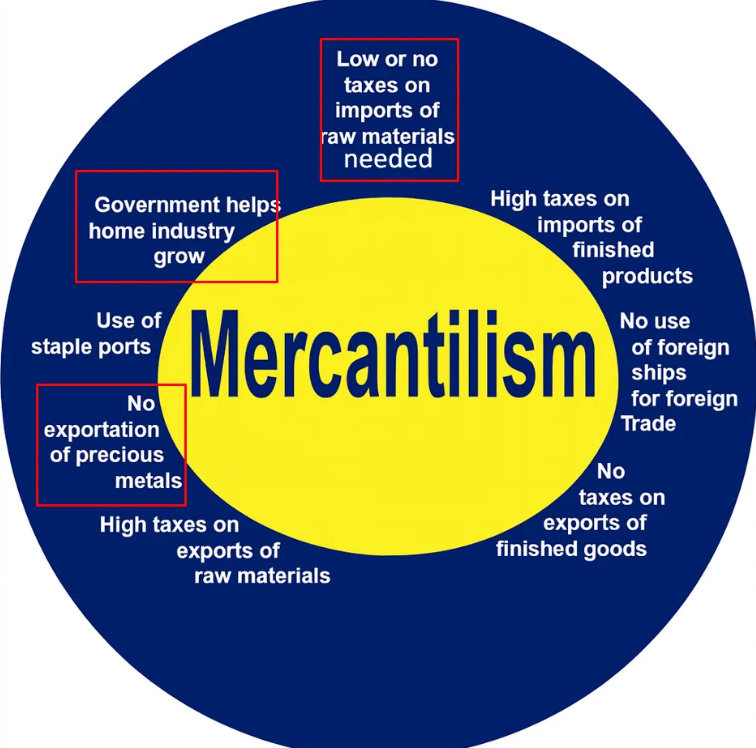
Copper provides a reference case. The United States refrained from aggressive tariff action until domestic availability and downstream capacity improves. Once those conditions are met, tariffs will become a tool to raise global prices, disadvantage competitors, and reinforce domestic supply chains. Now Goldman discuses openly the hoarding and a future US tariff being implemented. Silver increasingly fits this template. Accumulation precedes restriction. Tariffs follow sufficiency. Silver increasingly fits this template. Accumulation precedes restriction. Tariffs follow sufficiency.
The Price Behavior Puzzle
Under normal conditions, plentiful domestic supply combined with refining backlogs has been bearish for silver prices. The current environment defies that precedent. Prices continue to rise despite reports of available metal and congested processing pipelines.
Think this will affect Silver as well?
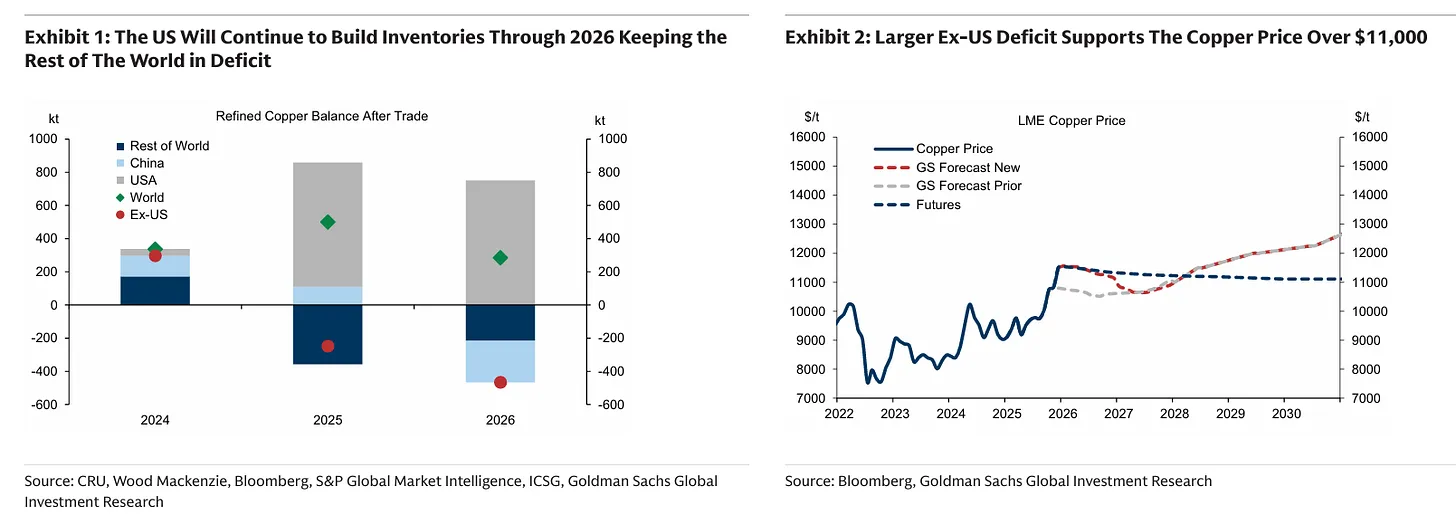
This divergence suggests that price action is no longer responding to spot supply conditions alone. Instead, it reflects forward positioning ahead of anticipated policy outcomes or structural changes. The market appears to be discounting future constraints rather than present abundance.
Probabilistic Assessment
Uncertainty remains high, but the risk distribution is asymmetric. A broader increase in U.S. tariffs across metals in 2026 carries a meaningful probability. Within that scenario, there is a smaller but material likelihood that silver accumulation is already underway in anticipation of such measures.
These probabilities are not forecasts. They frame risk. Even modest odds matter when potential outcomes involve structural repricing rather than cyclical fluctuation. Mid-January 2026 stands out as a calendar marker aligned with the Section 232 process.
Positioning Implications
The appropriate posture in this environment is constructively long with measured caution. If accumulation and policy coordination are in play, price appreciation is more likely to unfold in a volatile but orderly, managed fashion than in a disorderly spike. Institutional involvement tends to suppress volatility while extending duration. And post news announcements, the market should/could have a very nasty dip
The expectation is progression rather than acceleration.
Structural Context and Synthesis
Silver’s evolving role reflects a broader shift toward mercantilism, deglobalization, and fragmented supply chains. These developments are physical rather than financial, leaving observable traces across logistics, custody, refining capacity, and policy signaling.

Silver is increasingly treated as a strategic asset rather than a neutral commodity. Tokenization initiatives, institutional accumulation, and prospective tariff policy converge into a single structural narrative. The transition is gradual, but the direction is clear. Silver is being repositioned within the global system by state and quasi-state actors, not by retail enthusiasm or speculative excess.
Bottom Line
We firmly believe this will be a buy-the-rumor, sell-the-news event as copper was back in July (for different but 232-related reasons) ; Though we do not know from what heights it will go, or to what depths ( if at all) it could retrace afterwards. After that expect prices to resume their march to much higher levels overtime as tokenized products spur further investment demand while sovereign entities compete with industrialists for remaining above-ground metal