Poland increased its official gold reserves by 20 tonnes in February, bringing total holdings to 570 tonnes, according to newly reported data submitted to the International Monetary Fund. The purchase raises gold’s share of the country’s total foreign-exchange reserves to roughly 32%, reinforcing Warsaw’s ongoing shift toward bullion as a strategic reserve asset.
Data reported through the IMF reserve reporting system shows the National Bank of Poland continuing a multi-year accumulation strategy that has steadily increased the country’s bullion holdings since 2018. With the February purchase, Poland’s gold reserves now stand at 570 tonnes, placing the country among the larger sovereign holders of gold within Europe.

The increase also reflects the central bank’s previously stated objective of expanding the role of physical bullion within the national reserve structure. Officials have repeatedly argued that gold improves the resilience of the balance sheet and strengthens the credibility of Poland’s financial system during periods of geopolitical or currency stress.
“Gold strengthens the credibility of the Polish financial system and increases the country’s financial security.”
The central bank has also emphasized gold’s independence from external policy risks and its ability to act as a long-term store of value within sovereign reserves.
“Gold is free from credit risk and cannot be devalued by economic policy of any country.”
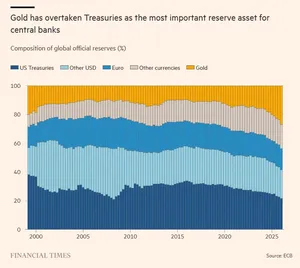
The latest increase continues a broader pattern among global central banks, which have collectively increased bullion purchases in recent years as geopolitical fragmentation and sanctions risk reshape reserve management strategies. For Poland, the February purchase pushes gold’s share of total reserves to approximately 32%, one of the higher allocations among European reserve portfolios.
The International Monetary Fund reserve data confirms that Poland remains an active buyer in the official sector gold market, a trend that has accelerated across emerging and middle-income economies seeking greater diversification away from traditional reserve currencies.